
Last updated September 10, 2026
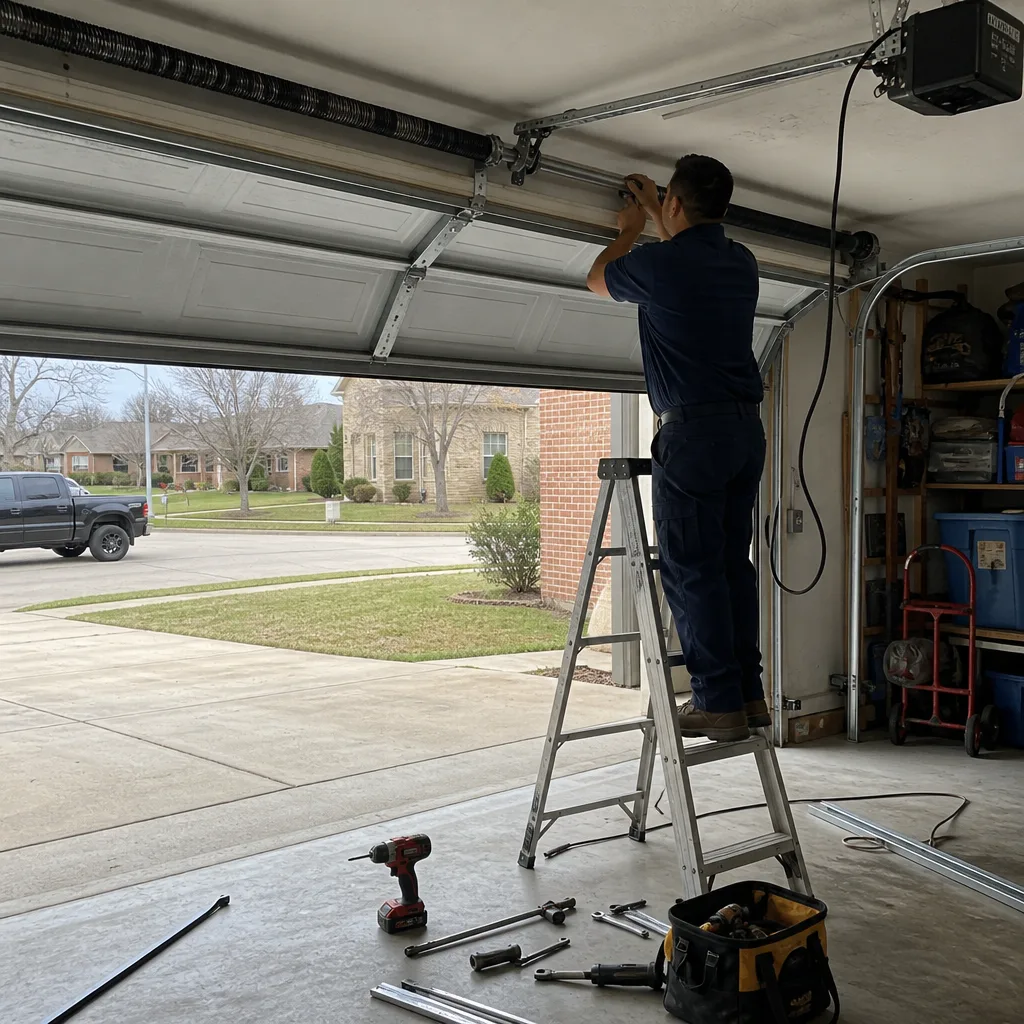
Full 25-point door and opener safety check with every visit - springs, cables, rollers, tracks, and your LiftMaster or Chamberlain opener included
You get a price before we start. It does not change when the truck arrives.
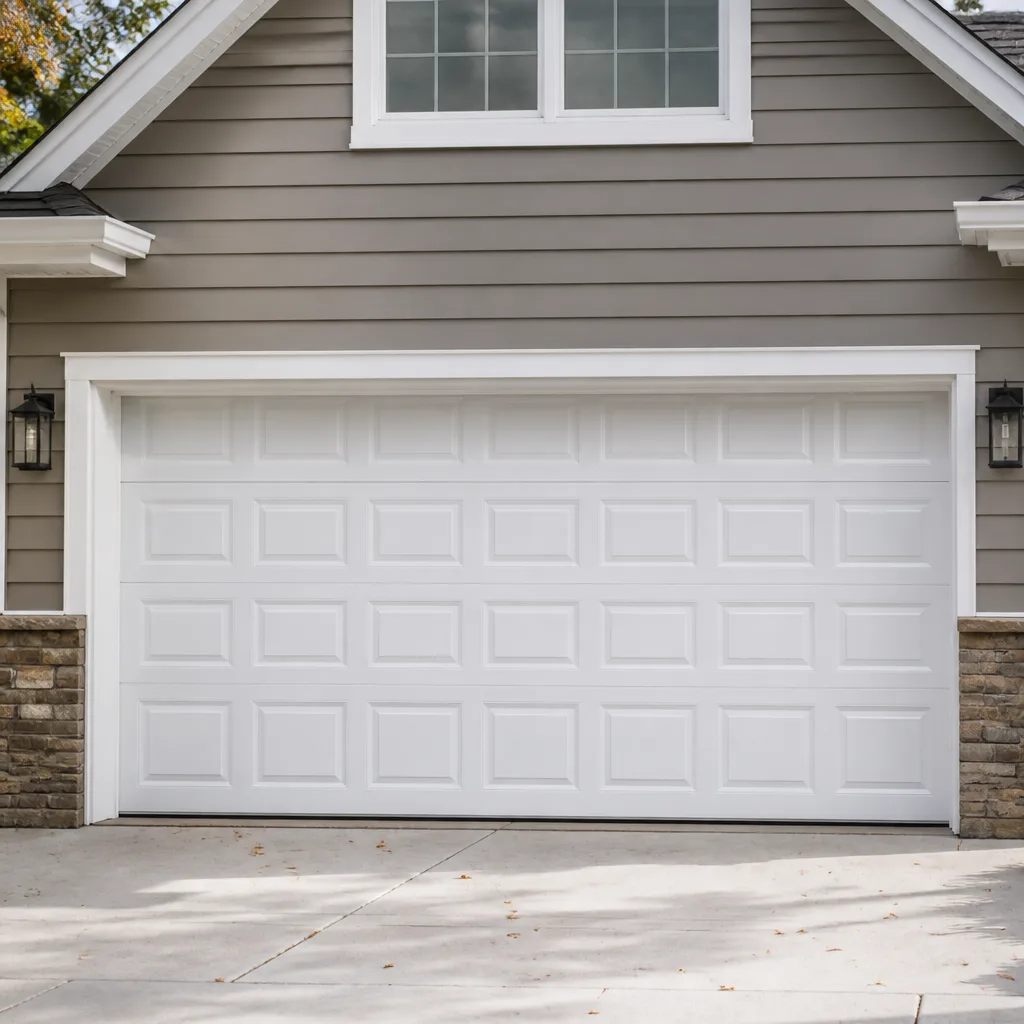

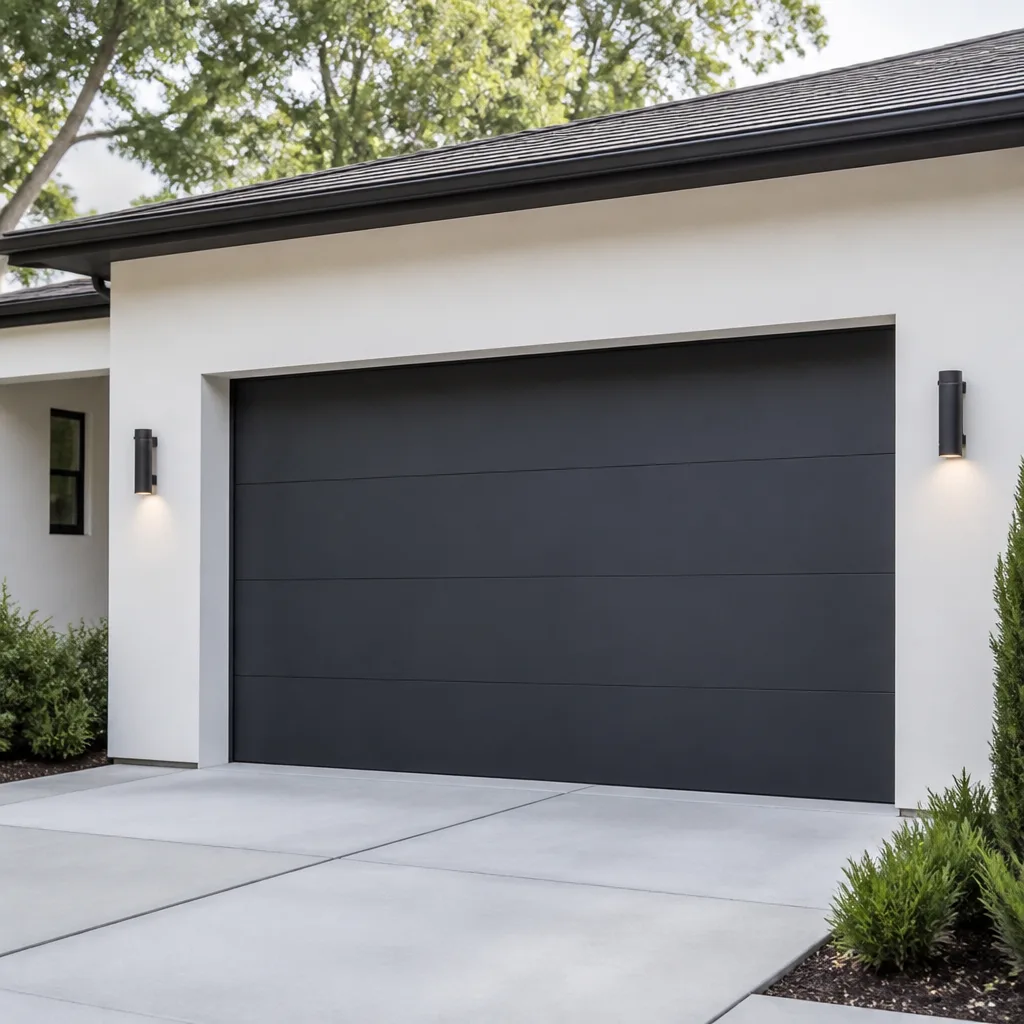
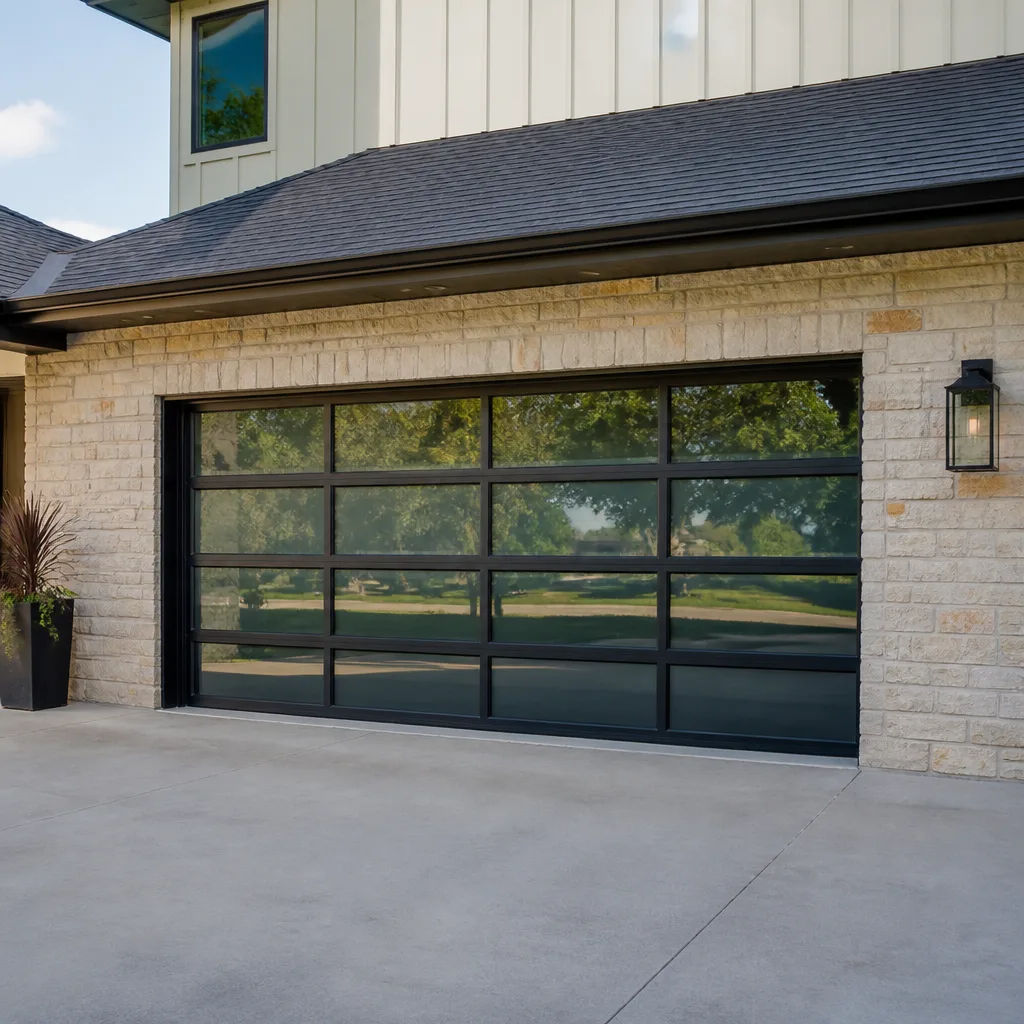
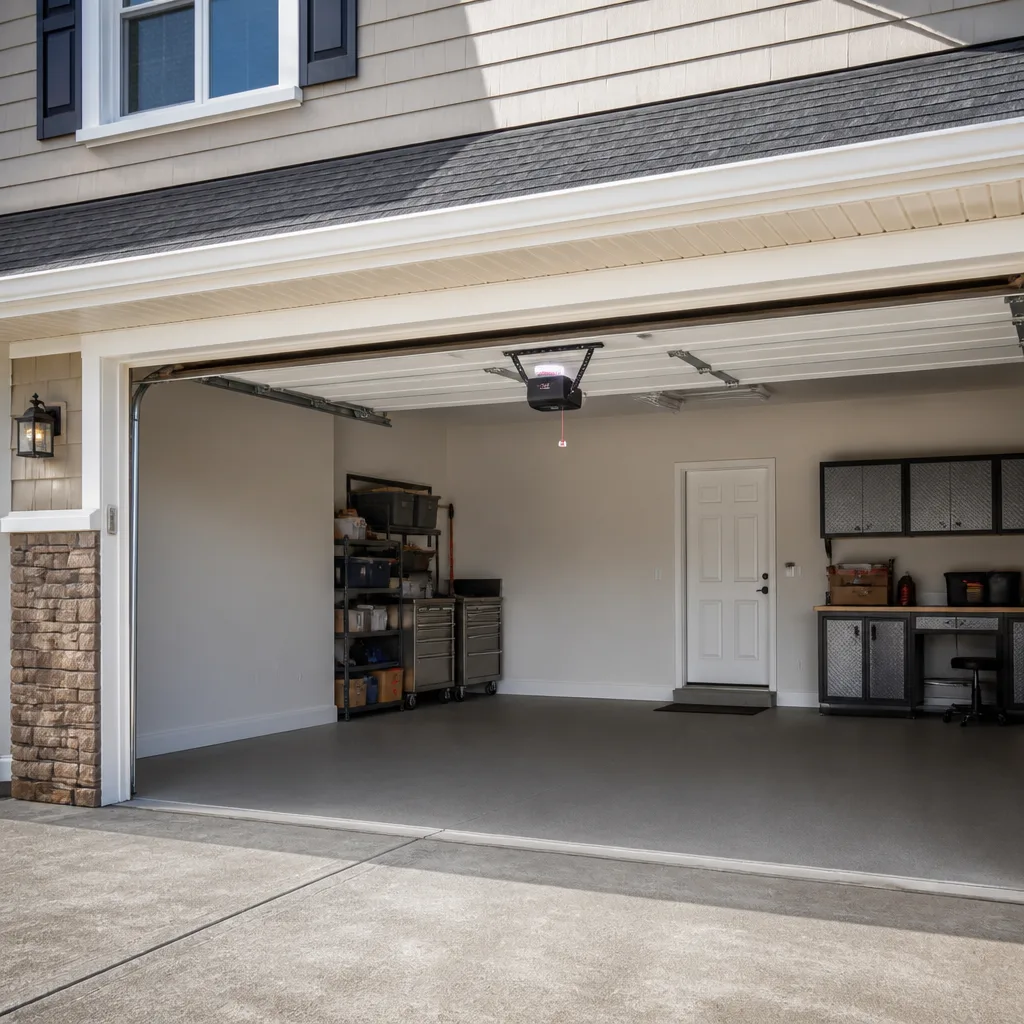
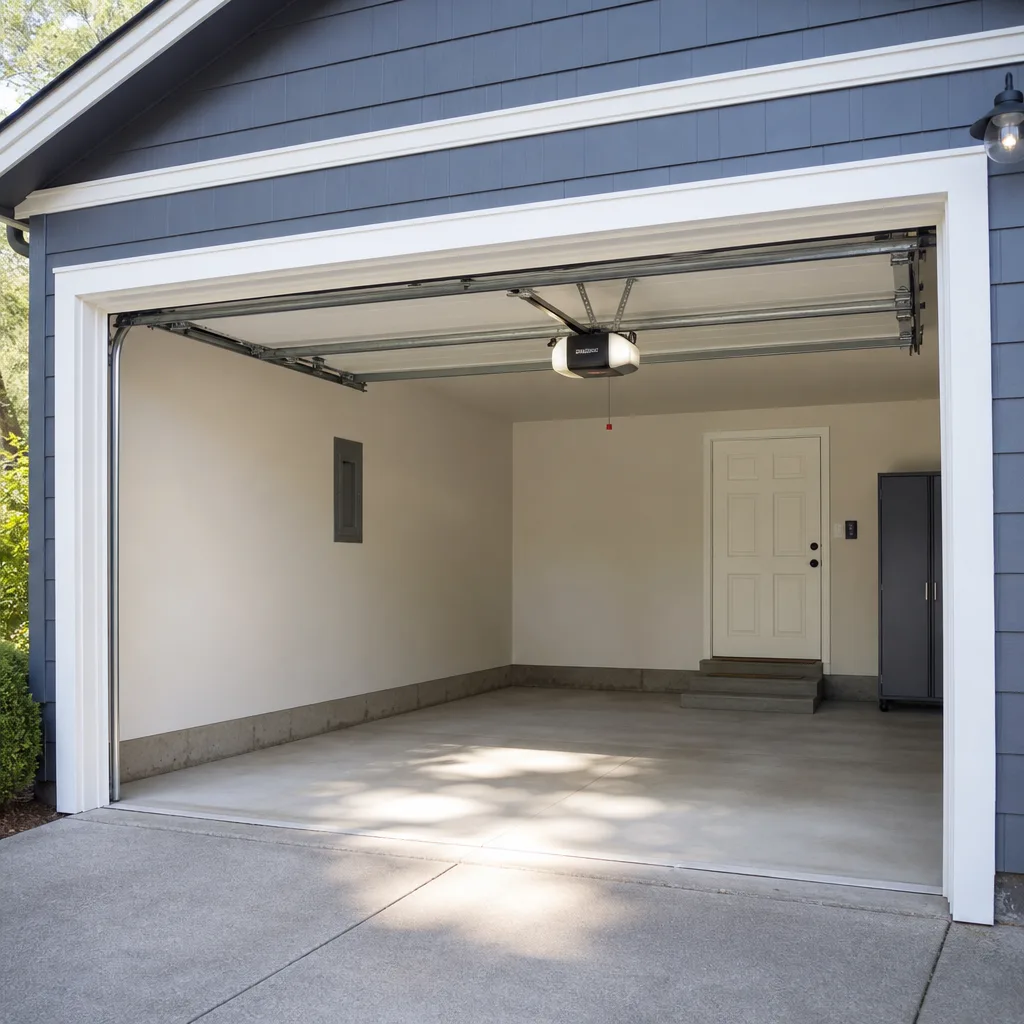
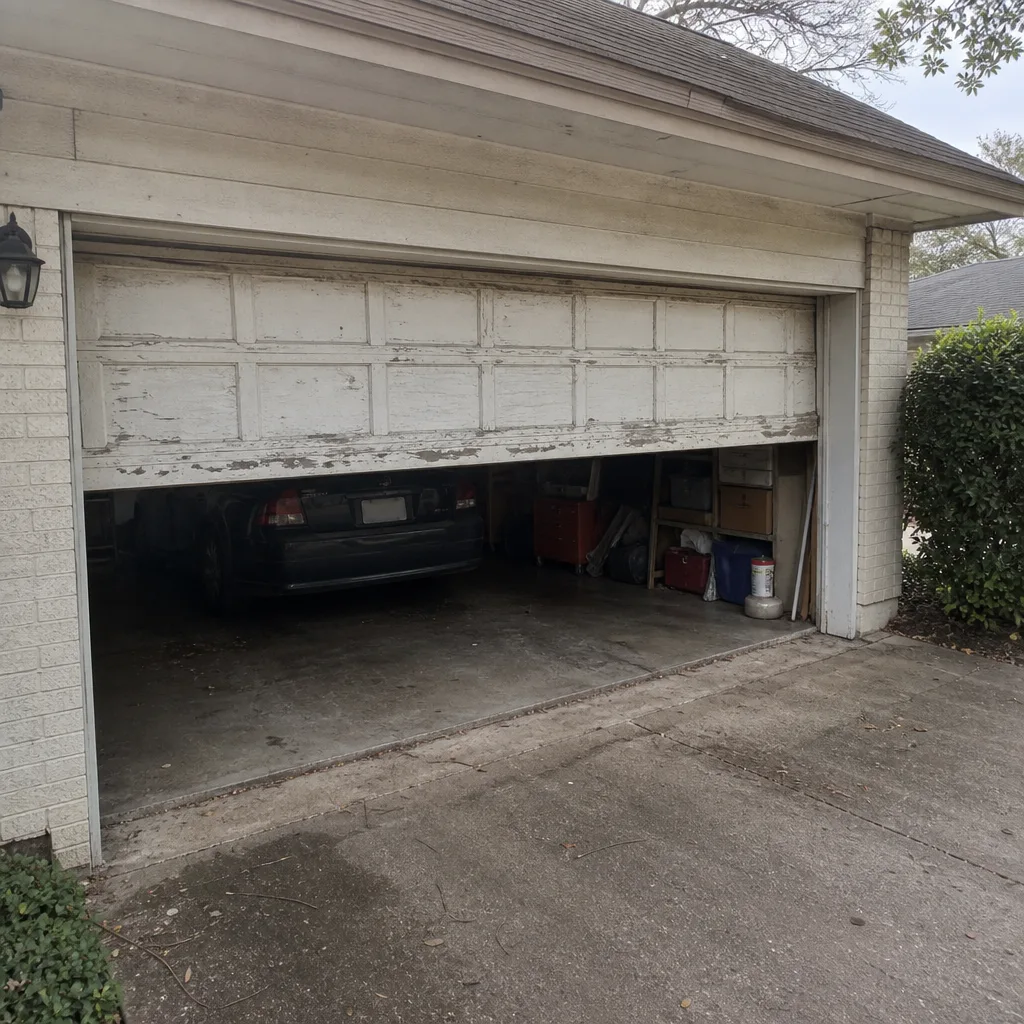 Before
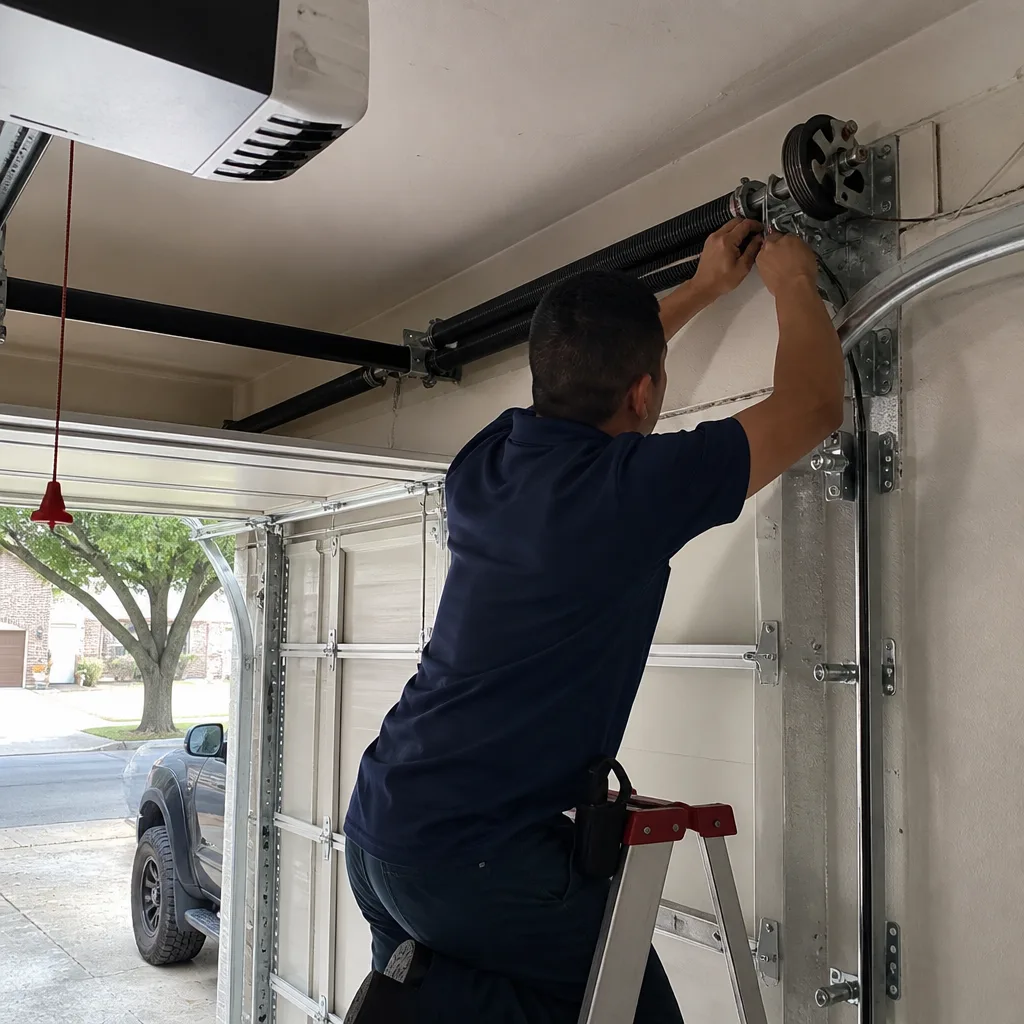 After
After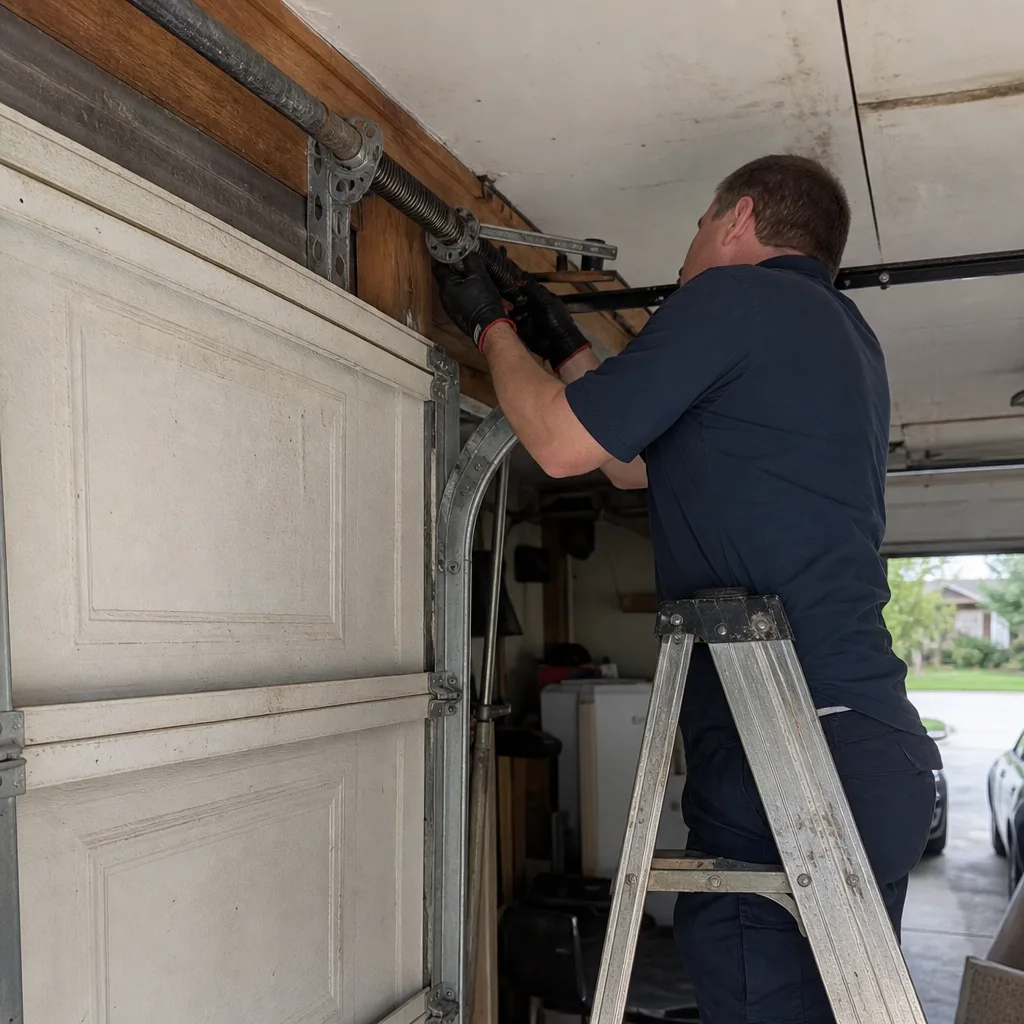 Before
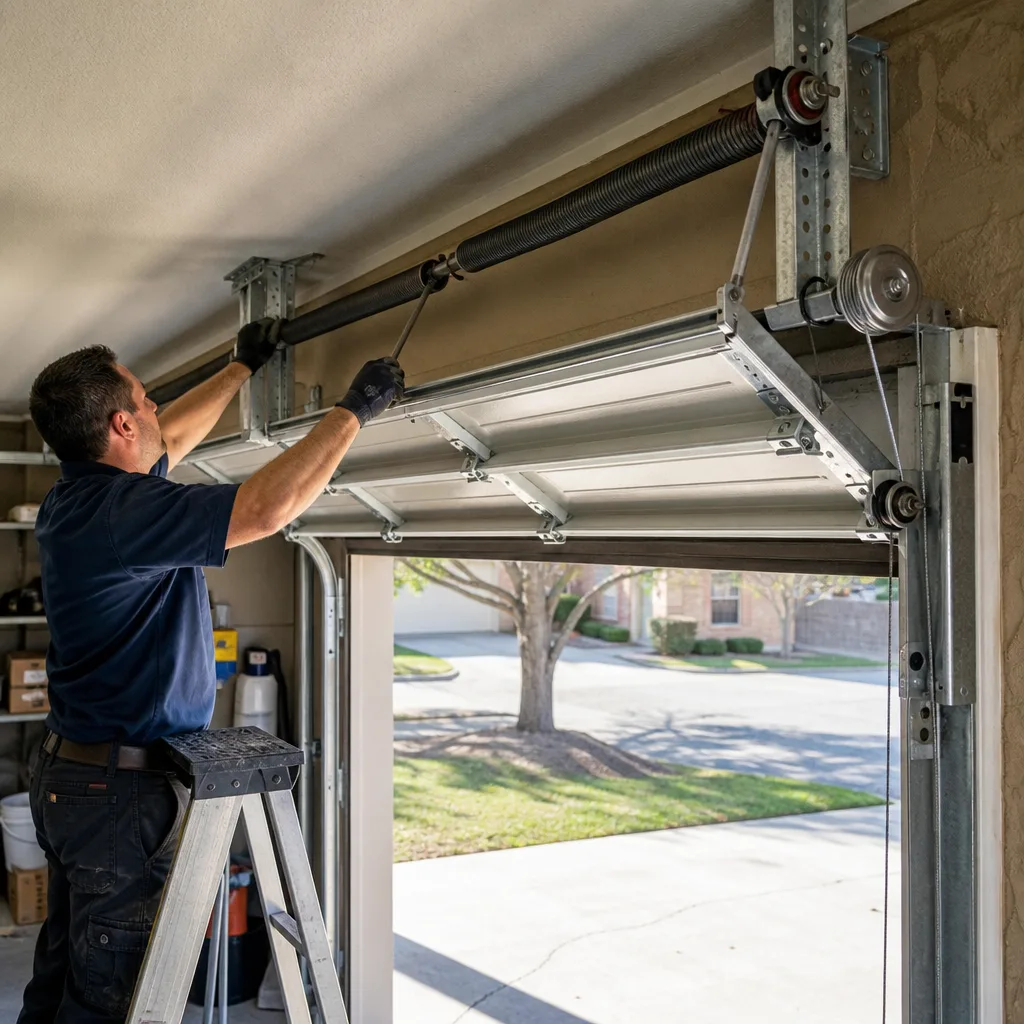 After
After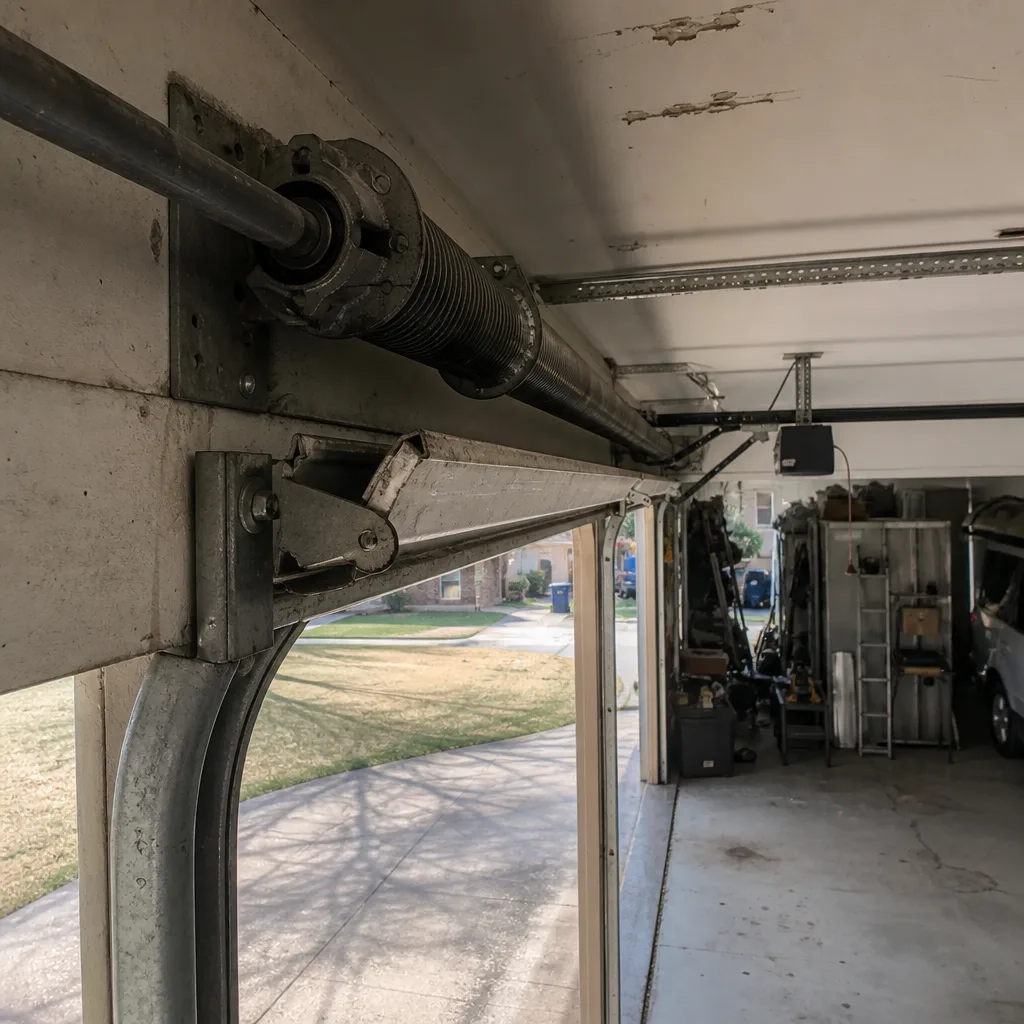 Before
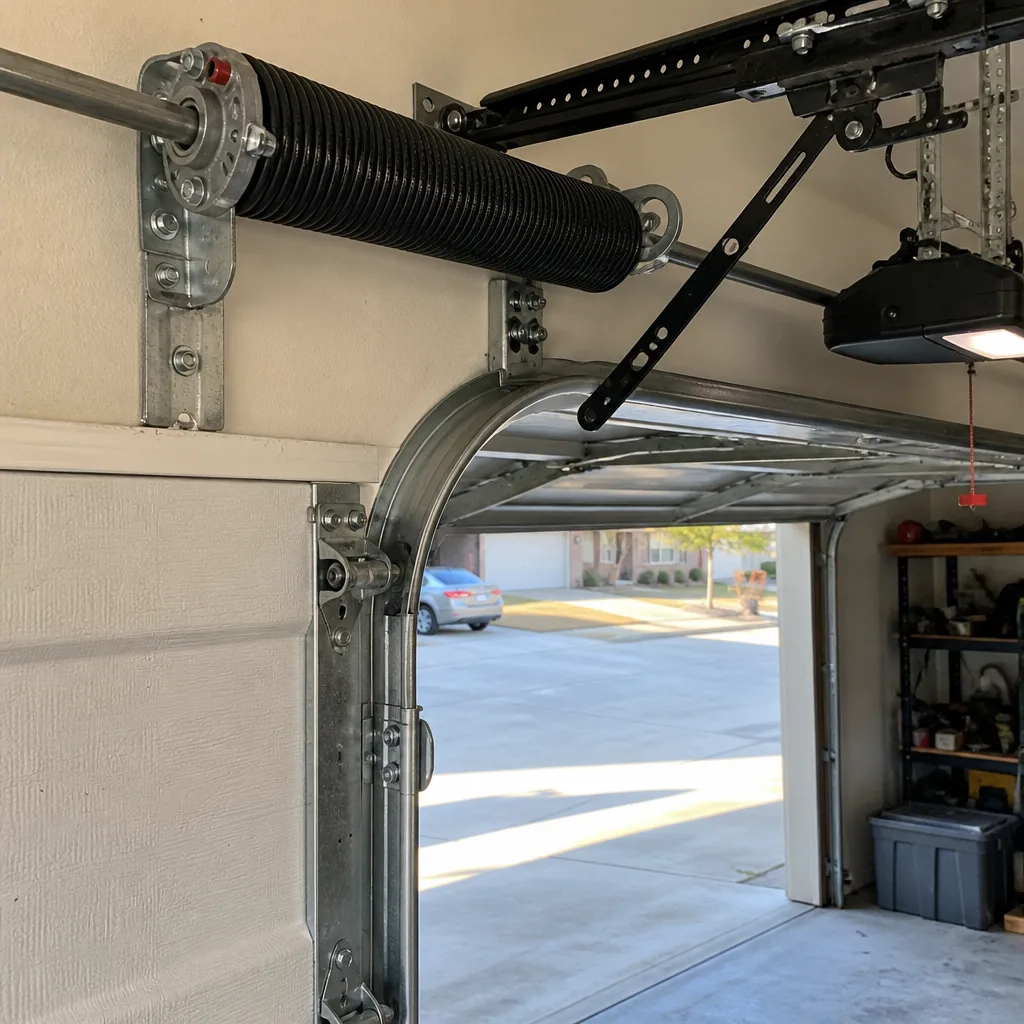 After
AfterGarage Door Permits, Codes & Inspections in TX: What You Need to Know
Here’s a number that catches most Mesquite homeowners off guard: roughly one in four Texas homes sold in 2024 had at least one open permit issue discovered during the title search or inspection period. Garage door replacements fly under the radar more than most because they look cosmetic from the street. But a full door replacement that touches the opening structure is a code-regulated improvement, and the obligation sits with the property owner, not the installer. This guide walks through which garage door jobs in Mesquite actually require a permit, what the inspection covers, how Texas codes interact with local amendments, and what unpermitted work costs you the day you sell. If you’re planning a door replacement this year, this is the paperwork side nobody hands you at the lumber yard, though our more guides & resources can help.
Quick Answer
In Mesquite, Texas, a garage door permit is required when the work changes the structural opening, replaces the header, adds new electrical wiring, or installs a new opener circuit on certain older homes. Like-for-like replacements of springs, panels, rollers, and openers that plug into existing receptacles typically don’t need one. Call the City of Mesquite Building Division at (817) 623-0734 to confirm your specific job before any work starts.
Table of Contents
- Which Garage Door Work Needs a Permit in Mesquite
- What Does NOT Need a Permit
- How Texas Building Codes Apply to Garage Doors
- Why Mesquite Differs From Garland, Dallas, and Rowlett
- What Happens During a Garage Door Inspection
- How to Schedule an Inspection Without Losing a Workday
- The Real Estate Disclosure Problem With Unpermitted Work
- Why We Pull Permits Even When Homeowners Say Skip It
Which Garage Door Work Needs a Permit in Mesquite
Let’s start with the exact answer, because the City of Mesquite does not publish a “garage door permit” form that pops up on a Google search. Garage door work falls under the residential building permit umbrella, and whether you need one depends on scope. Here’s what triggers a permit requirement in Mesquite as of 2025:
A full garage door replacement where the rough opening is modified. If you’re going from a standard 8-foot door to a taller RV-height door, or widening from a single to a double, that’s structural. The header above the opening carries roof load. Change it, and you need engineered drawings, a permit, and an inspection before drywall or trim covers the work.
A new electrical circuit for an opener. If the garage has no overhead receptacle and you’re running new wire from the panel to power a LiftMaster or Craftsman opener, that’s an electrical permit. Homes built before 1987 in Mesquite’s older neighborhoods like Casa View Heights frequently lack dedicated opener circuits. I’ve seen plenty of garages where the opener was plugged into a light socket adapter, which is exactly the kind of setup that needs correcting when you upgrade.
Replacing a fire-rated door on an attached garage. Mesquite follows the International Residential Code, which requires a door between an attached garage and living space to be rated. If the garage door itself sits in a wall shared with living space, the replacement needs to maintain that rating. Some older Mesquite homes in the Sherwood Forest and Creek Crossing areas have garage-to-house walls that predate current fire-separation rules, so any structural work there brings the wall into scope for review. If you’re unsure whether your door shows warning signs of failure, see our Garage Door Warning Signs: A Mesquite Homeowner’s Reference Guide.
New construction or full garage additions. This one’s obvious, but worth stating: any new garage or garage conversion requires the full permit package, and the door is part of it.
When in doubt, call. That’s not a dodge, it’s the actual rule. The City of Mesquite Building Division, 757 North Galloway Avenue, phone (817) 623-0734, staffs the counter and the phone lines during normal business hours. They’ll tell you whether your scope triggers a permit, and they’ll do it in under five minutes. I’ve called them from job trailers more times than I can count since 2004. The people answering know the code because they enforce it here, in this city, not from a call center in Phoenix.
What Does NOT Need a Permit
Just as important as knowing what needs a permit is knowing what doesn’t, so you don’t pay for paperwork you don’t need. Here’s the work a homeowner in Mesquite can do without pulling anything:
- Spring replacement. Torsion or extension springs, including conversion from one type to the other. This is a parts replacement, not structural. But hear me on this: springs carry 200 pounds of door weight under high tension. This is not a Saturday DIY project. A busted spring is dangerous, and I’ve seen what a winding bar through a hand looks like. Call someone who does this every week, permit or not.
- Panel replacement. If a Clopay or Amarr door panel gets dented and you swap in a matching panel, no permit. The door’s profile and opening stay identical.
- Roller, hinge, cable, and track hardware replacement. Like-for-like parts swaps, no permit.
- Opener replacement that plugs into an existing receptacle. If the outlet’s already there and you’re swapping a Chamberlain for a Raynor, or putting in a new belt-drive unit in place of a chain-drive, that’s appliance replacement. No permit, no inspection.
- Weatherstripping, seal replacement, and decorative hardware. None of this is regulated.
The line between what needs a permit and what doesn’t comes down to three questions: Does it change the opening size? Does it change the load path? Does it involve new wiring? If the answer to all three is no, you’re typically in the clear. If you answer yes to any one of them, call the city and check. Two minutes on the phone can save you thousands at closing.
How Texas Building Codes Apply to Garage Doors
Texas doesn’t have a single statewide building code that cities must adopt verbatim. Instead, the state sets minimums through its enabling statutes, and each municipality adopts the International Residential Code (IRC) and International Building Code (IBC) editions it chooses, then layers local amendments on top. That means “Texas code” for a garage door is really three things stacked:
1. The IRC baseline. Chapters 3 and 6 of the IRC govern garage door fire separation, opening protection, and wind load requirements. The IRC requires residential garage doors to meet wind pressure ratings based on the basic wind speed map. For Mesquite, that’s a 110 mph design wind speed zone as of the current maps. What that means in practice: your door needs to be rated for the wind loads your specific exposure sees, and the spring system needs to hold it balanced.
2. The National Electrical Code (NEC). This is the one that trips up opener installs. NEC requires a dedicated 20-amp circuit for garage receptacles in new construction, and GFCI protection on all garage outlets. If you’re pulling a permit for a new opener circuit, the inspector will check both of those. I’ve been sent back on GFCI placement more times than on any other single item, because the code changed in 2020 and Mesquite enforces the current edition.
3. Manufacturer installation requirements. Here’s a code interaction most guides skip. The IRC says building components must be installed per the manufacturer’s listed instructions. For garage doors, that means the spring torque specifications, track anchoring pattern, and reinforcement requirements printed in the install manual from Wayne Dalton, Clopay, Amarr, or whoever made the door carry the force of code. An inspector can flag a door that was installed contrary to the manual even if nothing else looks wrong. I count spring cycles the way you count tire miles, and I’ll tell you what’s left on yours, but I also torque them to spec every time because the manual is part of the code package.
Why Mesquite Differs From Garland, Dallas, and Rowlett
Drive ten minutes in any direction from Mesquite and you’re in a different jurisdiction with different amendment packages. What passes in Garland may require extra steps here in Mesquite, and vice versa. Here’s what I’ve learned from two decades of pulling permits across the eastern Dallas County and Kaufman County line:
Mesquite’s amendments emphasize wind load documentation. Our position on the eastern edge of the Metroplex means we see storm cells that skirt Dallas but hammer us. The city historically has been stricter about requiring manufacturer wind-load documentation on garage door installations, particularly on homes built after 2000 and on any door facing an open field or greenspace. If your house backs up to a park or undeveloped tract in Mesquite, expect the inspector to ask for the door’s wind pressure rating sheet. In Garland, that same door might sail through on visual inspection alone.
Some neighboring cities take a lighter touch on opener circuits. A few of the smaller towns in Kaufman County don’t require an electrical permit for a single receptacle addition in a garage, as long as the work is done by a licensed electrician. Mesquite does require it. The permit is inexpensive, but if you skip it in Mesquite, you skipped it in Mesquite, and the title company will find it when they pull the permit history.
Unincorporated pockets add another layer. There are areas with Mesquite mailing addresses that sit outside city limits. Those fall under Dallas County or Kaufman County rules, which are often minimal or nonexistent for garage door work. But if you’re in a county unincorporated area, you also don’t have the city’s inspection record to lean on when you sell, which creates its own disclosure headache. This is the kind of thing I check before I quote a job, because working under the wrong jurisdiction assumption wastes everyone’s time.
The takeaway: don’t copy your friend’s permit experience from another city. Codes are local, and “local” in Texas means each city council’s amendment package, not a one-size-fits-all state rule.
What Happens During a Garage Door Inspection
Most Mesquite homeowners have never sat through a building inspection of any kind, so the garage door inspection feels intimidating until you know what the inspector’s actually looking at. It’s faster than you think, and if the work was done right, it’s a fifteen-minute visit.
The inspector checks specific code items, in roughly this order:
- Fire separation. If the garage attaches to the house, the inspector verifies the wall and any door between garage and living space are properly rated. For the garage door opening itself, this means confirming the door assembly meets any fire-rating requirement the local amendment package imposes.
- Wind load documentation. The inspector wants to see the manufacturer’s data sheet showing the door is rated for the required wind pressure. We keep these sheets on file for every door we install, so it’s a non-event. If a homeowner-installed door lacks documentation, the inspector can require a stamped engineering letter, which costs real money.
- Anchoring and track alignment. Track brackets must be anchored at the specified spacing, and the tracks need to be plumb and aligned. A door that shakes on its tracks is a code violation, not just an annoyance.
- Spring and balance verification. The door should hold position when opened manually to the halfway point. If it drops, the springs are wrong. If it rises, they’re over-wound. Both fail inspection.
- Safety reverse system. The opener’s auto-reverse must engage on both the photo-eye interruption and the physical contact test. The inspector uses a block of wood or their foot. This is the most common failure I see on homeowner-installed openers.
- Electrical rough-in (if applicable). New circuit, GFCI protection, correct wire gauge, NEC box fill. All checked at the rough stage, before the inspector signs off on the final.
Final inspections are typically scheduled for a morning or afternoon window. The inspector arrives, runs through the checklist, and either passes the job or leaves a correction list. Corrections are normal, by the way. I’ve had inspectors flag things I disagreed with, and I’ve had them catch things I genuinely missed. Both happen. The right response is to fix it and call for the reinspection, not to argue with the person holding the clipboard.
How to Schedule an Inspection Without Losing a Workday
Mesquite’s inspection scheduling is done through the city’s online portal or by phone, and the city assigns inspection windows rather than exact times. For a working homeowner, that’s the friction point. You don’t want to burn a vacation day sitting at home waiting on an inspector who may show up at 9 a.m. or 3 p.m. Here’s how to minimize the time cost:
1. Ask for a morning or afternoon block. Mesquite generally honors AM/PM requests if you make them when you schedule. Morning blocks run 8 a.m. to noon, afternoon blocks 1 p.m. to 5 p.m. If your job is the only thing on the inspector’s route, you may get a tighter call-ahead window, but don’t count on it.
2. Designate an adult occupant as the contact. Homeowners can list someone else, like a spouse or adult child, as the on-site contact. The inspection doesn’t require the named permit holder to be present, just someone over 18 with access to the garage.
3. Hire a contractor who pulls the permit and schedules the inspection. This is the part nobody tells you. When a licensed contractor pulls the permit, the contractor schedules the inspection, handles the inspector, and manages corrections. The homeowner’s only job is to make sure someone can let the inspector into the garage, or to give the contractor access. We schedule inspections as part of every permitted job in Mesquite, and we handle the correction loop if one comes up. That’s the whole point of paying someone to manage the process. The name on the van is the name on the invoice and the name on the license, and Otto shows up for the inspection, not just the install.
4. Do a pre-inspection walkthrough. Before the inspector arrives, open and close the door fully, test the auto-reverse, and confirm the balance. If anything’s off, fix it before the inspection. A failed inspection means a reinspection fee and a second scheduling round.
The Real Estate Disclosure Problem With Unpermitted Work
Here’s the scenario I’ve seen play out at least a dozen times, and every time it’s the same story with a different address. Homeowner replaces a garage door six years ago, skips the permit because the installer said it wasn’t needed. Homeowner lists the house. Buyer makes an offer. Title search runs the permit history and finds a new garage door with no permit on record. Buyer’s inspector flags it. And now the seller is negotiating from the weakest possible position, repairing an issue that would’ve cost a couple hundred dollars in permit fees back then but now threatens the whole closing.
The Texas seller’s disclosure notice asks, point blank, whether the seller is aware of any improvements made without required permits. If you skip a required permit and answer “no” because you didn’t know it was required, you’ve still answered falsely. If you answer “yes,” you’ve flagged the property for the buyer’s lender. Either way, it’s a problem.
Remediation after the fact typically looks like this: the city requires a “permit-after-the-fact” application, which carries a fee substantially higher than the original permit, plus a full inspection. If the work was done correctly, the inspection passes and the permit closes. If it wasn’t, you’re opening the wall, fixing the code issue, and paying for reinspection. I’ve seen after-the-fact permits run two to three times the cost of having pulled it originally. And that’s before you account for the real cost: the buyer who uses the disclosure to knock five figures off the price, or the lender who won’t fund the loan until the permit closes.
The market in Mesquite is competitive. Homes in Creek Crossing, Rustic Oaks, and Falcon’s Lair sell fast when they’re clean. The last thing you want is a permit issue moving your house to the “has problems” pile.
Why We Pull Permits Even When Homeowners Say Skip It
I’ve been asked more than once, pretty directly: “Otto, can we just skip the permit? It’ll be faster and cheaper.” My answer is the same every time: I won’t. And it’s not because I’m a stickler for paperwork. It’s because the permit protects you, not me.
When the permit is in my name as the contractor of record, I’m on the hook for the inspection, the corrections, and the close-out. That means if the door sags in three years and the city wants to know why, the permit trail leads to my license, not your kitchen remodel. It means the work has to pass code, which is the same standard I’d build to anyway, because a door is 200 pounds riding on two springs and I respect it. But the bigger thing is this: the permit is your receipt. It’s the proof, recorded with the city, that the work was done, inspected, and approved. When you sell, that permit history is gold. When you file an insurance claim, that permit history is supporting evidence. Skip the permit and you’ve saved maybe two hundred dollars and created a liability that follows the house, not the installer who ghosted you after the check cleared.
I’ve been in this county since 2004. I live here. I’ll run into you at the feed store on Saturday. If I installed your door without a permit and that came back on you at closing, I’d have to look you in the eye across the hardware aisle. I’m not willing to make that trade to save you a few bucks now and cost you a few thousand later. That’s not how L.O.C.A.L. works. Local roots means I care what this street looks like in ten years. Accountable means the permit is in my name and I answer for it. Loyal means I’d rather keep you as a customer for twenty years than win one fast job. Pulling the permit is the handshake version of all three.
Common Mistakes to Avoid
- Assuming the installer’s warranty covers code compliance. It doesn’t. A manufacturer’s warranty covers materials and workmanship. Code compliance is between you, the contractor, and the city. If the installer never pulled a required permit, the manufacturer won’t fix that.
- Letting an unlicensed handyman replace a load-bearing header. That header holds roof weight. If it’s undersized or improperly fastened, you get sagging, cracking drywall, and an expensive repair. This is structural work with a permit and an inspection, full stop.
- Reusing old track with a new door in Mesquite’s wind conditions. New doors are heavier and the wind load ratings assume the track and brackets are matched to the door. Old track anchors won’t meet the spacing requirements, and a Mesquite storm will find the weak point.
- Installing a new opener on a non-GFCI circuit because “it’s worked for years.” It worked for years because it was never inspected. The 2020 NEC changes made GFCI mandatory on all garage receptacles. Mesquite enforces it, and a home inspector will flag it.
- Skipping the fire-rated door requirement between garage and house. It’s easy to think “it’s just a door,” but the door between an attached garage and living space carries a fire rating. Replace it with any off-the-shelf hollow core door and you’ve made your house less safe while also creating a code violation that’ll show up on the inspection report.
- Paying cash, no contract, no permit, no paper trail. This one’s the kicker. If there’s no written scope of work and no permit, you have no leverage when the door doesn’t work and no documentation when you sell. A real contractor writes the job down and pulls the permit. Otto quotes the job on the phone and holds that number when he gets there, and the paperwork matches the handshake.
- Blowing off the inspection because the door “works fine.” Working fine is not the same as code compliant. The inspection confirms the safety reverses work, the fire separation is intact, and the wind load documentation is on file. Skip it, and you’ve paid for a permit without the close-out that makes it valuable.
When to Call a Professional
Permit work, structural opening changes, new electrical circuits, and anything involving torsion springs are professional territory. If your job needs engineered drawings, call someone who pulls permits regularly and knows the Mesquite amendment package. If your door is off-balance, making noise, or fighting the opener, call before it fails outright. If the opener is straining, the problem is almost never the opener. It’s usually the door. And if you have a written estimate from another company that doesn’t mention permits at all, bring it to us. Otto’s Garage Door offers free estimates in Mesquite, and a free second opinion on any written estimate from any company, no trip charge inside the county. Call (817) 623-0734 and a live person answers, 24/7, even at nine at night when a spring lets go and your vehicle is sealed inside.
Frequently Asked Questions
A permit is required in Mesquite when the replacement changes the rough opening, modifies the header, adds new electrical wiring, or involves a fire-rated separation requirement. A like-for-like door swap with no structural or electrical changes typically doesn’t need one. Call the City of Mesquite Building Division at (817) 623-0734 to confirm your scope before work starts.
Residential building permit fees in Mesquite are based on the valuation of the work, with most garage door replacement permits falling in the $75 to $250 range including the inspection. After-the-fact permits, issued when work was completed without a required permit, cost significantly more. For an exact fee on your job, call the city or let us pull the permit as part of your estimate. Call (817) 623-0734 for a free estimate that includes all permit costs up front.
A garage door inspection in Mesquite covers fire separation between the garage and living space, wind load documentation for the door, track anchoring and alignment, spring balance, opener safety reverse function, and any new electrical work. Failed inspections generate a correction list, and the job is reinspected until it passes. Most inspections on a professionally installed door take fifteen minutes.
You can sell, but the unpermitted work will likely surface during the title search or buyer’s inspection, and the Texas seller’s disclosure requires you to disclose improvements made without required permits. Remediation involves an after-the-fact permit, a higher fee, and a full inspection. It’s cheaper and easier to pull the permit correctly the first time.
A new opener that plugs into an existing receptacle does not require a permit in Mesquite. If the job includes new wiring from the panel or a new receptacle, an electrical permit is required. Homes built before 1987 often lack the dedicated garage circuit the current code expects, so a permit may be necessary when upgrading an older setup.
Yes. On every qualifying job in Mesquite, we pull the permit in our name, schedule the inspection, meet the inspector, and manage any corrections through to close-out. The permit stays in our name as the contractor of record, and we carry the full responsibility for code compliance. You get the close-out documentation for your records. Call (817) 623-0734 for a free estimate that includes permit and inspection costs.
The Bottom Line
Garage door permits in Mesquite come down to scope: structural changes, new wiring, and fire-rated separations trigger permits, while like-for-like parts and opener swaps usually don’t. The responsibility sits with the property owner, and skipped permits have a way of surfacing at the worst possible moment, typically during a home sale when a buyer’s inspector flags the discrepancy. Texas code is a layered system of IRC baseline requirements, NEC electrical rules, and local Mesquite amendments that differ from neighboring cities. The permit is your receipt, your proof, and your protection. And any contractor who tells you to skip it is asking you to carry risk they’re not willing to carry themselves.
For a free estimate on any garage door job in Mesquite, from permitted full replacements to spring and opener service, call Otto’s Garage Door at (817) 623-0734. A live person answers, 24/7, and the quote you get on the phone is the price you pay at the door.
Written by Otto Reinhardt, Owner at Otto’s Garage Door, serving Mesquite since 2004.